Photoreal Candy.ai Skin: Bubblegum Glow & Taffy Detail Tips
Ever wondered why some digital portraits seem real while others look fake? It’s all about light and texture, mimicking human skin. Getting that bubblegum glow isn’t just about filters; it’s about understanding light and skin.
Learning to use specific words can make your work look pro. We dive into candy.ai photorealism and art to improve your digital skills. You’ll see how to turn simple ideas into stunning images that grab attention.
Key Takeaways
- Learn to use descriptive prompts to enhance skin texture and luminosity.
- Understand the technical nuances behind achieving a soft, radiant glow.
- Discover how to balance digital precision with natural human aesthetics.
- Master the art of using specific visual cues to guide your creative output.
- Elevate your portrait work by focusing on light reflection and color depth.
Understanding the Fundamentals of Candy.ai Photorealism
The secret to top-notch AI images is in the way light and synthetic materials interact. To go beyond flat, fake-looking images, you need to understand the basics of candy.ai photorealism. This involves how light scatters, absorbs, and reflects off digital surfaces.
Defining the Candy Aesthetic in AI Art
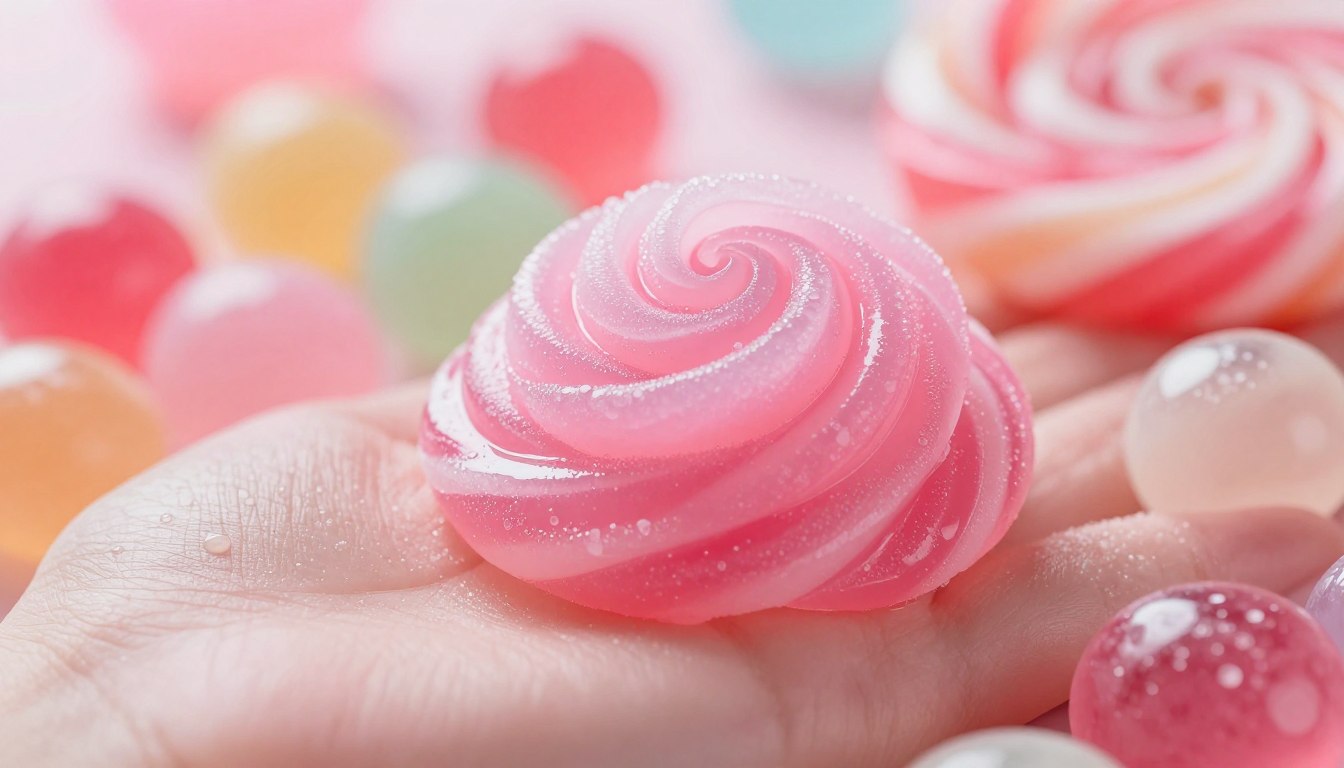
The candy aesthetic has a shiny finish and a bright, almost see-through quality. It’s like how light behaves with polished, semi-transparent things like hard candies or taffy. By tweaking your model settings to focus on these traits, you get a unique, polished look that catches the eye.
To get this look, you need to balance shiny highlights and soft shadows. This way, your image won’t look like a simple plastic toy. Instead, it will have a sophisticated, high-quality feel that looks intentional and detailed.
The Role of Subsurface Scattering in Skin Rendering
Skin scattering is key to realism. In real life, light doesn’t just hit the skin’s surface; it goes in, scatters, and comes out somewhere else. This is what makes human skin look soft and warm.
When you apply skin scattering to AI portraits, you mimic this light journey. This is crucial for avoiding the “dead” look often seen in basic AI images. By understanding how light moves through these layers, your subjects will look alive and full of life.
| Material Type | Light Interaction | Surface Finish | Visual Depth |
|---|---|---|---|
| Standard Plastic | Reflective | Hard/Flat | Low |
| Candy Aesthetic | Translucent | High-Gloss | High |
| Natural Skin | Subsurface | Soft/Matte | Very High |
Preparing Your Workspace and AI Model Settings
Creating a solid workspace is key to bringing your creative ideas to life. The technical setup is the base for all improvements. It helps you control complex textures and lighting.
Selecting the Right Base Model for Photorealism
Choosing the right base model is crucial. Opt for models fine-tuned for human features and skin textures. These models handle light better than general models.
Choose models with a focus on high-fidelity rendering. A model trained on various skin types is a strong starting point. Make sure it fits your project’s resolution and aspect ratio.
Adjusting Sampling Steps and CFG Scales
After picking your model, adjust the generation settings. Sampling steps control how many times the AI refines the image. More steps mean finer details, but watch out for digital noise.
The CFG scale is also key. It decides how closely the model sticks to your prompt. A moderate CFG scale is best for realistic skin. Try different values to meet your artistic needs.
Mastering the Bubblegum Glow Effect
You can turn regular AI portraits into stunning works of art by mastering the bubblegum glow. This look needs a balance of soft light and careful color use. It makes the portraits feel both luxurious and playful.
Lighting Techniques for Soft, Reflective Skin
To get a glossy finish, use light sources like those in a studio. Soft, diffused light makes the skin look smooth and shiny. Reflective highlights are key for that glow on cheekbones and nose.
Using Prompt Engineering to Achieve Iridescent Tones
What you say to the AI matters a lot. Use words like opalescent, pearlescent, or candy-coated to get the right look. These words tell the AI to make the surface shimmer with a soft, colorful glow.
Layering Color Palettes for Bubblegum Hues
Layering colors is the last step to perfect your bubblegum glow. Start with a base of soft pinks, corals, and creamy whites. Then, add subtle shimmering colors for depth. This way, your portrait stays high-fashion yet keeps its whimsical charm.
Achieving Taffy-Like Skin Texture and Detail
To get a taffy-like look in AI portraits, it’s not just about the reflection settings. You need to make the skin look polished and alive. It should be shiny but still feel real.
By tweaking these details, you can avoid making your subjects look like dolls. Instead, aim for a look that’s like high-fashion photos. This blends reality with artistic flair.
Simulating High-Gloss Surface Finishes
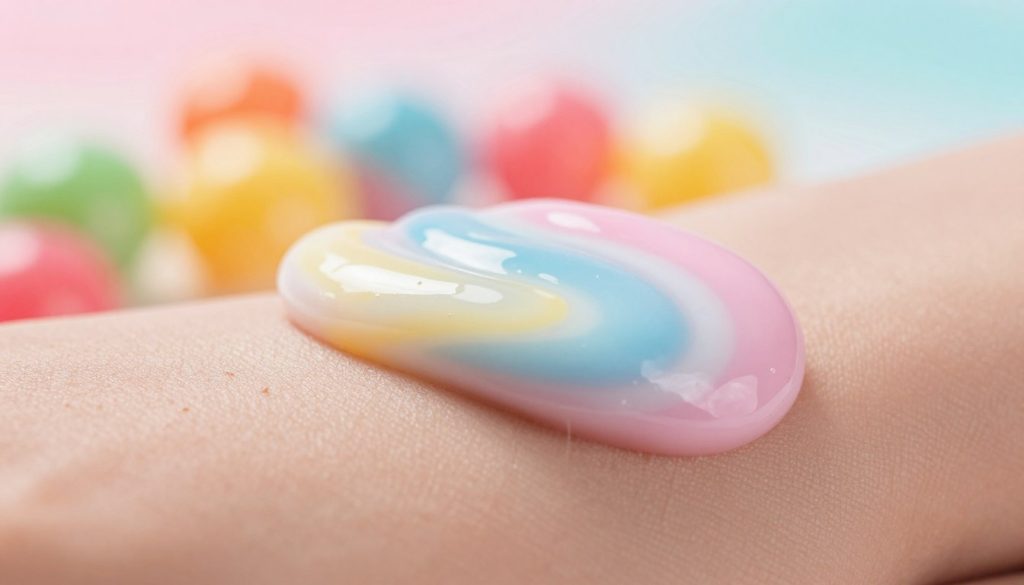
To get that shiny look, tell your model to focus on specular highlights and light reflection. Use words like polished resin or wet silk to guide it. This helps the AI create a light bounce that’s like taffy.
Try using rim lighting or backlit highlights to highlight the skin’s edges. This adds a glow that looks intentional and artistic. Make sure the contrast is right so these highlights stand out.
Balancing Smoothness with Micro-Skin Details
The key challenge is keeping the skin from looking too smooth or fake. You need to keep the natural skin texture, like pores and fine lines. These details keep the skin from looking too perfect.
Include prompts for skin pores or subtle skin grain with your shiny descriptions. This creates a contrast where the skin feels smooth but is still complex. This balance makes your portraits look like high-end photos, not just digital images.
Advanced Skin Scattering Techniques
Understanding how light moves through the skin is key to creating realistic digital subjects. Moving past basic rendering, you see how skin scattering makes a big difference. It adds a soft, translucent quality that looks like real skin.
Simulating Light Penetration Through Skin Layers
To get a realistic look, you need to think about how light moves inside the skin. This process, called subsurface scattering, stops the skin from looking like plastic or stone. Adjusting your model settings helps soften shadows around the nose and ears.
Getting skin scattering right means finding the right balance between light and material density. Too much light makes the skin look like wax, too little makes it dull. Finding the right balance gives your subject that healthy glow seen in top studio photos.
Adjusting Depth of Field for Realistic Focus
After perfecting the skin texture, focus is key. A shallow depth of field helps your subject stand out from the background. Aim for sharp eyes and lips, with a soft background.
By tweaking your focal length and aperture, you control where the viewer looks. This works with your lighting to add depth and dimension. Use the table below to adjust your settings for different looks.
| Setting Type | Low Scattering | High Scattering | Recommended Focus |
|---|---|---|---|
| Skin Scattering | Matte/Dry Look | Translucent/Glow | Sharp Subject |
| Aperture (f-stop) | f/8.0 – f/11 | f/1.8 – f/2.8 | Bokeh Background |
| Light Penetration | Minimal | Deep/Soft | High Contrast |
Prompt Engineering for Candy-Inspired Portraits
Precise prompt engineering is key to creating stunning candy-inspired images. With a systematic mindset, you control the final look. This ensures your portraits are always of high quality.
Constructing Effective Negative Prompts
Negative prompts help remove unwanted elements. They let the AI focus on the desired textures and lighting. This is great for avoiding common errors or digital noise.
To get the best results, include terms that avoid AI mistakes. Exclude words like “blurry,” “low resolution,” or “unnatural skin patches.” Filtering out these elements saves time later.
Refining Subject Descriptions for Material Consistency
For a cohesive look, your subject descriptions must match the scene. If you want a glossy, bubblegum look, your prompt should reflect it. Consistency is key for a natural feel.
Use descriptive adjectives that link materials in your prompt. For example, if skin is “iridescent,” clothes should be “satin” or “reflective.” This unified approach prevents visual clashes and makes your portrait look professional.
Lighting Setups for High-Gloss Skin
To make your AI subjects shine with a candy-like glow, treat your workspace like a pro photography studio. Lighting is key for high-gloss skin in AI art. It boosts the look of your portraits.
Utilizing Studio Lighting for Specular Highlights
To get that taffy-like shine, you need sharp, attractive specular highlights on the skin. These highlights show the glossy surface to the viewer. Use high-intensity lights for crisp, defined reflections, not soft glows.
Place your virtual lights at a slight angle to the subject. This captures the face’s curves. It highlights cheekbones, nose, and lips for material definition. Try different light sources for a complex reflection pattern, like in real studio photos.
Managing Shadows to Enhance the Candy Effect
Shadows are as crucial as highlights to avoid a flat look. Good shadow management adds necessary depth to your image. It makes the skin look three-dimensional, not flat.
Too dark shadows can ruin the glossy effect, making it look muddy. Aim for a soft transition between light and dark skin areas. This balance creates a convincing, high-gloss look that’s both artificial and polished.
Color Grading and Post-Processing Workflows
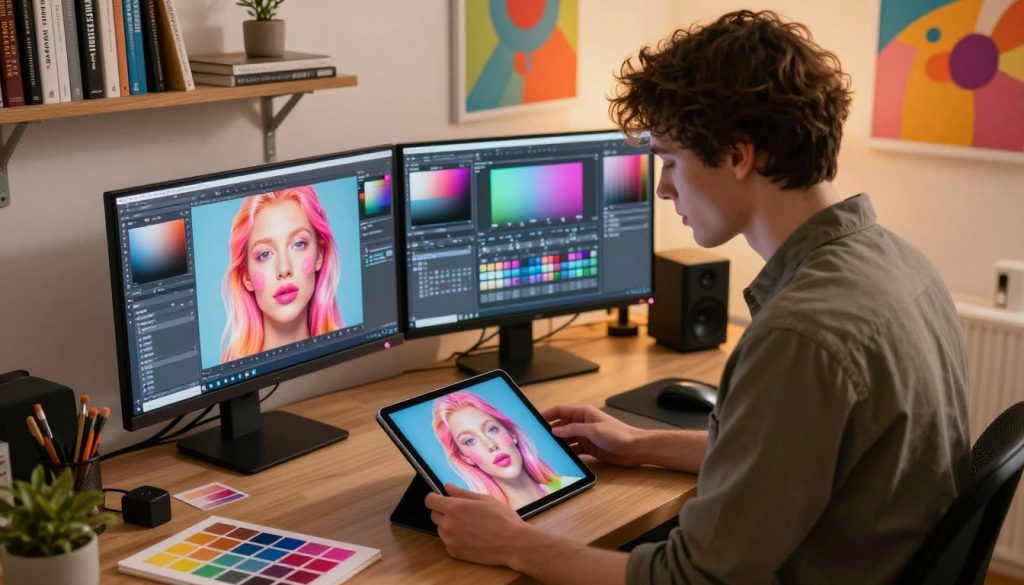
Turning a raw AI portrait into a pro masterpiece needs a smart color and light plan. Your first step sets the base, but post-processing makes it shine. By tweaking your output, you can get that bright, candy-like look you want.
Enhancing Saturation Without Losing Realism
The key to bright candy colors is selective saturation, not global changes. Boosting all colors can make skin tones look unnatural. Focus on specific colors to brighten highlights while keeping mid-tones real.
Use masks to separate skin from background. This lets you enhance the taffy-like glow without harming the skin’s look. Always compare your work to a neutral image to keep skin warm and deep.
Applying Subtle Glow Filters for Final Polish
A last touch can make your portrait look pro. A subtle glow filter softens edges and adds a dreamy feel. It’s like light on glossy surfaces, making skin look voluminous.
When adding these filters, keep the opacity low. You want the effect to blend naturally with the lighting. A gentle approach keeps your image sharp and detailed, with that iridescent sheen of top AI art.
Common Pitfalls in AI Skin Rendering
Creating photorealistic skin is a challenge. It’s important to spot and fix common errors. Even pros can fall into the trap of a plastic look if settings aren’t just right. Catching these mistakes early helps you achieve cleaner, more realistic skin.
Avoiding the Plastic Look
The plastic look often comes from too much smoothing or wrong subsurface scattering. AI models can lose the natural pores and details that make skin look alive. Aim for a balance between a smooth finish and the tiny imperfections that make human skin unique.
To avoid this, try reducing denoising strength or tweaking your prompt to include “skin pores” or “fine texture.” Also, ensure your lighting is varied to add depth and prevent a flat, synthetic look. Natural shadows are key to a realistic face.
Correcting Over-Saturation and Artifacts
Over-saturation can make skin tones look unnatural, ruining your portrait’s feel. If colors seem too bright, cut down saturation in your software or tweak color prompt weights. Small changes are better than big ones for a realistic effect.
Artifacts like strange blotches or pixelated edges can also mess up your work. They often come from too many sampling steps or conflicting prompts. Check the table below for common problems and fixes.
| Issue | Primary Cause | Recommended Fix |
|---|---|---|
| Plastic Skin | Excessive Smoothing | Reduce Denoising Strength |
| Neon Tones | Over-Saturation | Lower Color Prompt Weights |
| Digital Artifacts | High Sampling Steps | Adjust CFG Scale Settings |
| Flat Features | Poor Lighting | Add Directional Light Prompts |
Refining Your Workflow for Consistent Results
Transform your digital art by moving from random to a structured system. Consistency is key for a professional artist. A clear workflow keeps your vision consistent across projects.
Creating Custom LoRAs for Specific Skin Textures
Creating a custom LoRA locks in a specific look. This method eliminates the guesswork of standard prompts. It helps maintain material consistency, whether it’s glossy or soft.
To train your own LoRA, start with a curated dataset of high-quality images. This model becomes your foundation for future projects. Your output will be more predictable, saving you time.
“The secret to mastery is not in the initial spark of inspiration, but in the relentless refinement of the process that brings that spark to life.”
Iterative Testing and Prompt Optimization
Success with a custom model comes from iterative testing. Treat each generation as a data point. Analyze your results to tweak your prompts for better lighting or texture.
Prompt optimization involves small, calculated changes. If an image looks too matte, adjust your keywords. This methodical approach gets you closer to your ideal look.
| Workflow Stage | Primary Goal | Expected Outcome |
|---|---|---|
| Data Collection | Gathering high-quality samples | Strong training foundation |
| LoRA Training | Locking in texture styles | Consistent material rendering |
| Iterative Testing | Refining prompt weights | Polished, professional output |
Document your settings and prompt variations to build a knowledge base. This habit is what sets professionals apart from hobbyists. Stay patient, keep testing, and watch your AI art improve.
Troubleshooting Your Candy.ai Photorealism Projects
Even the most skilled digital artists face unexpected challenges with AI-generated images. When your vision doesn’t match the final result, it’s time to tackle the problem head-on. By focusing on specific areas, you can fix your work and get the quality you want.
Fixing Texture Blurring Issues
Blurry textures happen when the AI model needs more guidance or when sampling settings are too low. If your image looks soft or lacks sharpness, try increasing sampling steps. This lets the model refine details better. Also, make sure your prompt includes specific texture keywords early on.
If blur still shows up, tweak these settings to sharpen your image:
- Increase Sampling Steps: More steps can mean sharper edges.
- Refine Prompt Focus: Use terms like “sharp focus” or “high-resolution detail” to guide the model.
- Check Denoising Strength: In image-to-image workflows, balance denoising strength to avoid over-smoothing.
Adjusting Contrast for Better Material Definition
Poor material definition can make your subject blend into the background. To fix this, manage contrast between your subject and the background. Stronger lighting cues in your prompt help the AI see differences between skin, fabric, and background.
Use negative prompts to remove unwanted artifacts that mess up your image. By carefully adjusting contrast, you make sure textures pop against the background. This is key to keeping your project visually strong.
Conclusion
Making photorealistic portraits with a candy look needs both skill and creativity. You now know how to play with light, texture, and settings to get that bubblegum shine.
Starting your AI art journey means trying out tools like Stable Diffusion or Midjourney. Each project helps you build your own style. By using these techniques, you can control how materials look and how light scatters under the surface.
Improving your workflow is key to making your AI model better. Share your work with others to get feedback and new ideas. Your skill in mixing shiny finishes with tiny details will make your art stand out.
Keep trying new things and tweaking your settings to see what works best. The journey to becoming great is ongoing. Stay open to new ideas and keep exploring the mix of tech and creativity to find your unique voice.
FAQ
What is the primary secret to achieving the bubblegum glow in candy.ai photorealism?
To get the bubblegum glow, focus on iridescent tones and subsurface scattering. Use specific words in tools like Google Gemini or Stable Diffusion. This helps the AI mimic how light interacts with the skin, creating a shiny, candy-like look.
How does skin scattering differ from standard digital skin textures?
Standard textures seem flat or plastic. Skin scattering mimics how light moves through the skin’s layers. In candy.ai photorealism, this technique gives skin a soft, taffy-like look, making it seem alive and vibrant.
Which AI models and settings are best for rendering high-gloss skin?
Use a top model like Stable Diffusion XL (SDXL) or Midjourney v6. Keep your CFG scale between 7 and 9 for accurate results. Higher sampling steps, like 30, refine the skin’s details.
How can I prevent my portraits from looking too “plastic” or artificial?
To avoid a plastic look, balance smoothness with micro-skin details. Include terms like “pores” and “fine downy hair” in your prompts. This keeps the bubblegum glow real, avoiding a synthetic feel.
What are the most effective negative prompts for candy-inspired portraits?
Use negative prompts to remove unwanted artifacts and anatomical errors. Tell the AI to avoid “greasy skin” and “low-resolution textures.” This keeps the skin glossy and luxurious.
Can I use LoRAs to maintain consistency across a series of images?
Yes. Custom LoRAs (Low-Rank Adaptation) lock in specific skin textures and lighting. Train a LoRA on candy-inspired images for consistent bubblegum glow and taffy detail across subjects and scenes.
What role does studio lighting play in enhancing the candy aesthetic?
A: Studio lighting is key for specular highlights. Prompt for “rim lighting” and “softbox illumination” to highlight the face. These sharp highlights make the skin pop and enhance the candy.ai photorealism.
How do I fix issues with texture blurring in my final renders?
Blurring often comes from shallow depth of field or low resolution. Increase contrast and use Upscaling tools like Topaz Photo AI. This sharpens the micro-skin details and keeps the bubblegum glow crisp.